UGC vs Video Clipping for Brands in India (2026): Which Gets You More Reach?
UGC or pay-per-view clipping — which gets your brand more real reach in India? An honest comparison of cost, control, speed and scale so you know which one fits your budget and goals.

UGC and clipping both use creators, and both cost less than a traditional agency — so brands in India often confuse the two. But they solve different problems. One gets you content. The other gets you reach. Here's an honest comparison so you spend on the right one.
Key Takeaways
- UGC gets you original creator-made content — you usually pay a flat fee per video.
- Clipping gets you distribution of your existing content — you pay per verified view.
- UGC is priced on production; clipping is priced on performance.
- Many brands use UGC to make assets, then clipping to spread them.
- Get usage rights in writing before UGC runs anywhere — most disputes come from reusing content beyond what was agreed.
The rights problem that surfaces months later
The commercial failure mode in UGC is rarely the content. It is discovering later that you did not buy the rights you assumed you had.
A UGC agreement covers a specific use for a specific period on specific channels. The dispute typically arrives when a piece performs well and the brand extends it — running it as a paid ad after commissioning it as an organic post, keeping it live beyond the agreed term, or using it on a channel that was never discussed. Each of those can exceed the licence, and the creator is usually within their rights to object.
There is a further layer people miss. If the video features a person's face or voice, likeness rights are separate from copyright in the footage, and India recognises personality rights. Music makes it worse: a trending audio that is licensed for organic use on a platform is generally not cleared for a paid advertisement, and the platform's licence does not travel with the file.
Write the terms down before production: which channels, how long, whether paid amplification is included, whether the creator's face may appear in ads, and what happens at renewal. It is a short conversation before and an expensive one after.
Licensed campaign work differs mainly in when this happens — usage terms are set at the point the brief is published, rather than negotiated retrospectively per asset.
What UGC actually is
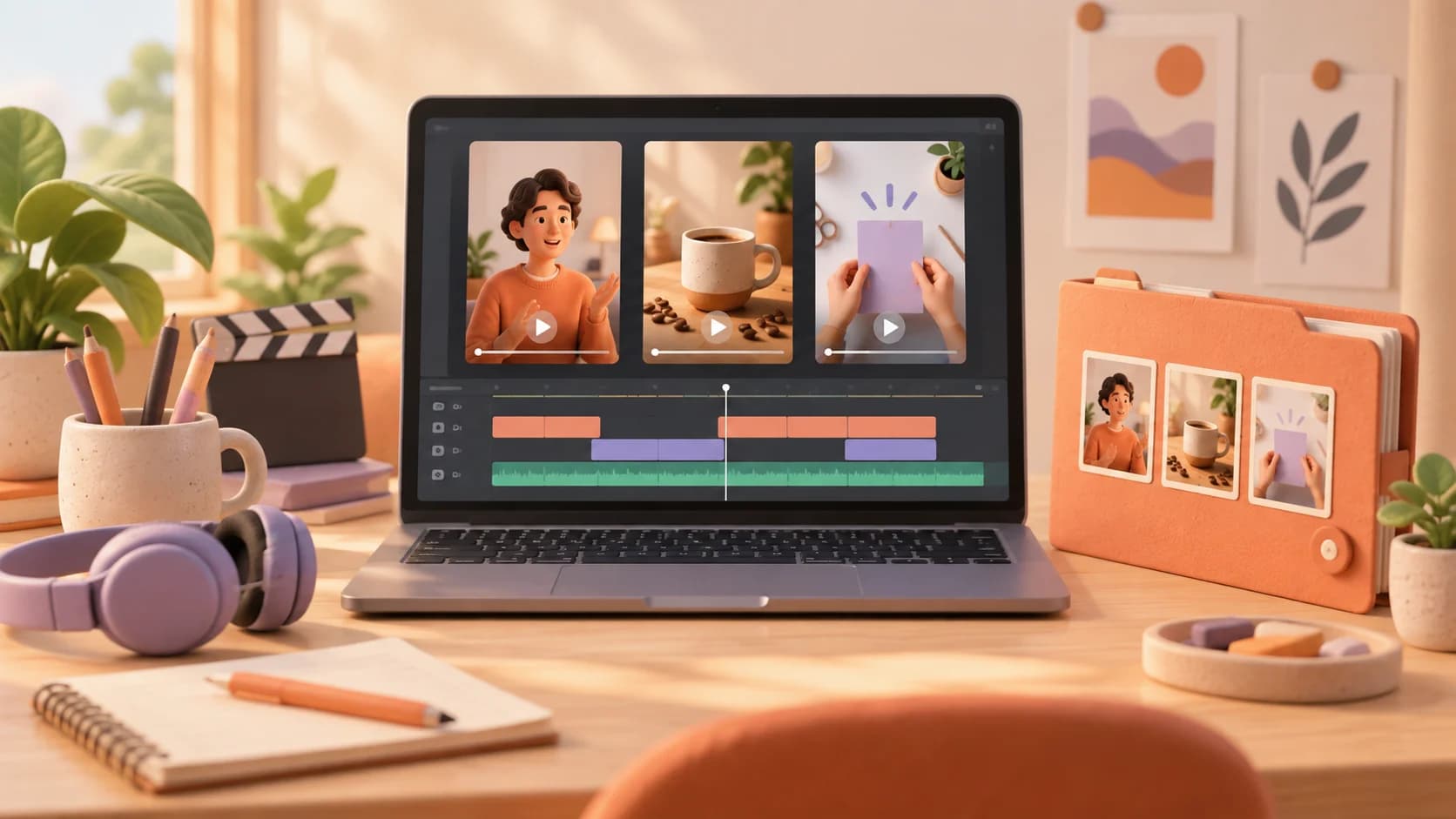
User-generated content (UGC) means paying a creator to produce original content about your product — an unboxing, a demo, a review-style clip — usually filmed on their phone to look authentic. You typically pay a flat rate per video (or per package), and you own the footage to use on your page or in ads. What you're buying is the asset, not guaranteed reach.
What clipping is
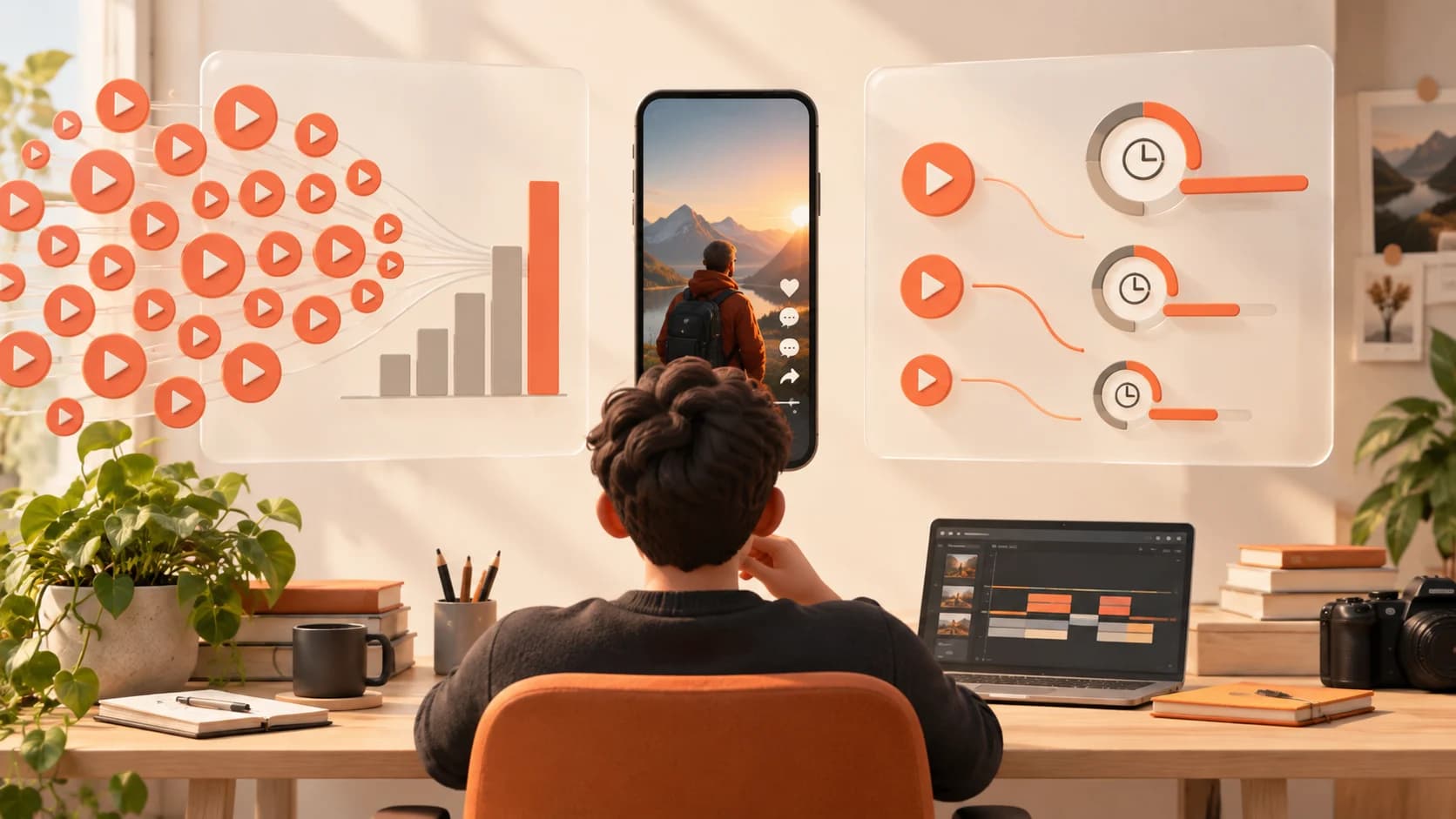
Clipping means handing over content you already have and having a network of creators cut it into short clips and post it on their own Reels and Shorts accounts. You pay per verified view, so your spend follows real reach. What you're buying is distribution. Here's how video clipping works for brands.
Side by side
| UGC | Video clipping | |
|---|---|---|
| What you get | Original content assets | Distribution of your content |
| Pricing | Flat fee per video | Per verified view |
| Reach | Not guaranteed | You pay for real views |
| Who posts it | Often you | Creators, on their own accounts |
| Best for | Building an asset library | Getting seen at scale |
Which should you choose?
If you need fresh content to run as ads or post on your own channels, UGC is the right buy. If you need your message seen by lots of relevant people in India without guessing whether it'll land, clipping is the performance-priced choice — you only pay for verified views. For a related comparison, see influencer marketing vs clipping.
The smart move: use both
The strongest play is often UGC to create a handful of strong clips, then clipping to distribute them at scale across hundreds of creator accounts. You get authentic assets and real reach, both priced far below a full agency retainer. When you're ready, here's how to run a clipping campaign.
Frequently Asked Questions
Is UGC or clipping cheaper? They price differently. UGC is a flat fee per video regardless of views. Clipping is per verified view, so you never pay for reach you didn't get. For pure reach, clipping is usually more cost-efficient.
Does clipping include making the content? No — clipping distributes content you provide. If you need the content made first, that's UGC. Many brands combine the two.
Which gets more reach in India? Clipping, generally — because hundreds of creators post in parallel and you pay per verified view, so budget flows to what actually gets watched.
Can I try clipping with a small budget? Yes. You set the budget and the per-1,000-view rate, with no agency retainer or minimum.
Want reach, not just assets? Run a campaign on Dashrize — native creator clips, priced per verified view, built for India.
Find these guides useful?
Add Dashrize as a preferred source on Google to see more of our creator-earnings guides in your Search results.